Saturday, 3 November 2018
TRANSACTIONAL VS TRANSFORMATIONAL LEADERSHIP
TRANSACTIONAL VS TRANSFORMATIONAL LEADERSHIP IN CHANGE MANAGEMENT
At the turn of the millennium I was doing my MBA (Management Consultancy) and chose Transactional vs Transformational Leadership in Change Management as my dissertation topic. I was fascinated by the what I saw as the hype of charismatic leadership versus the more operational and steady approach to process improvement. I saw it as a battle of style over substance.
I have learned a lot since then and having been part of the team leading the Incorporation of Jersey Post Office from government department into company, been Operations Change and Sales Support for RBSI and NatWest and then again having led Incorporation of government department into company: this time Ports of Jersey.
I have had the opportunity to see, use and learn from both Transactional and Transformational Leadership in Change Management.
So it is with this interest, knowledge and experience that I am very interested in the SoJ Chief Executive plans to transform Jersey’s Government.
Below is a nice summary (by someone else) of Transactional vs Transformational Leadership in Change Management. I don’t actually agree with everything in the article, but in the interests of balance it is important to acknowledge different views.
My reservations include
1. I disagree that a Transactional Leader is not concerned about the futuristic vision or strategies. The difference in my experience is that the Transformational Leader exerts change by charisma (often lasting only as long as their tenure) whereas the Transactional is more systemic (with the result that the Leadership element may be difficult to discern.)
2. I would contend that a Transactional Leader is very capable of “the key functions” list outlined below. Indeed the whole idea of having a systemic list of how to go about change is Transactional.
3. Finally I’d say the “best practices of transformational leaders in business” are actually Transactional tasks (driven by the head) rather than charismatic persuasion (engaging the heart)
What do you think?
TRANSACTIONAL VS TRANSFORMATIONAL LEADERSHIP IN CHANGE MANAGEMENT
Original Source
https://www.managementstudyguide.com/transactional-versus-transformational-leadership-in-change-management.htm
Leaders play a crucial role in steering organizational change and inspire or stimulate people for achieving excellence at work by realizing the pre-defined goals. Effective leadership provide a direction and vision to the people from top to bottom, develops a conducive culture, climate and values for enabling certain expected code of conduct or behaviour out of employees.
Leaders conceptualize and administer suitable strategies for driving continuous improvement in the existing processes, motivating employees for superior performance and facilitating change across various functionalities.
Leaders play both transactional as well as transformational roles depending upon the organizational context, environmental factors and the long term objectives.
TRANSACTIONAL LEADERSHIP
Transactional Leaders work in accordance with the predefined modes of operation and are more concerned about ensuring a continuity in the day to day functioning, ensuring seamless operations by establishing systems and processes in place and focused towards achievement of set targets. Such leaders can enforce disciplinarian actions, establish a systemic framework and define a road map of action, formulate & implement policies and motivate superior performance through a systems of rewards and incentives.
A Transactional Leader is not concerned about the futuristic vision or strategies for acquiring market leadership, but is more concerned about ensuring that the tasks assigned are completed on priority by meeting the quality benchmarks.
TRANSFORMATIONAL LEADERSHIP
It would be more appropriate to say that the Transformational Leaders are the real champions of change. They are the visionaries who influence or motivate teams for achieving excellence in business performance. Transformational leaders give more importance to the development of cohesive teams and facilitate an environment of collaboration for achieving the next best level of performance, instead of ensuring the completion of day to day organizational duties/tasks. The focus is more on team building, empowerment of employees, alignment of individual-organizational goals and culture building for motivating individuals to embrace the change for the better.
Given below are the key functions performed by the Transformational Leaders:
1. Creating a Vision: Transformation Leaders are responsible for envisioning and ensuring that the vision is shared and communicated across all the levels to inspire and motivate people for driving excellence at work.
2. Setting Examples or Modelling: Transformational Leaders inspire employees through Modelling or exemplification of good behaviour or a desirable code of conduct.
3. Establishing Standards: Well defined standards and norms, guide the employees in following a desirable pattern of behaviour and working towards the fulfilment of common goals through a collaborative approach.
4. Culture & Climate Building: Building a facilitating climate and a culture of mutuality, interdependence and flexibility are the major functions of Transformational Leaders. A conducive organizational culture can motivate individuals for delivering performance excellence and exceed expectations by achieving newer milestones at work.
5. External Communication and Liaising: Transformational Leaders establish a connect with the external world and are the main point of contact for communicating with the key stakeholders for the resource support, technological assistance and acquire knowledge regarding the best business practices of leading organizations. This function essentially involves strengthening relationship with the stakeholders or business partners.
6. Team Building or Synergy: This is one of the most important functions of leaders who follow transformational leadership style by building a motivational climate and creating a positivity in the work environment for completing tasks collaboratively.
7. Talent Acquisition & Development: This is the key responsibility of the transformational leaders, which involves identification of the best of the talent pool and nurturing them with adequate training & development support.
TRANSFORMATIONAL LEADERSHIP: ADVANTAGES AND DISADVANTAGES AT WORK
Advantages:
1. Transformational Leadership style encourages innovation and creativity in the workplace by creating an enthusiastic and a challenging work environment. This kind of leadership provides ample opportunities to the individuals for growth and achieving newer performance milestones.
2. New Leaders may evolve out of a several followers.
3. Transformational Leaders are visionaries and they possess an extraordinary capability of communicating the vision to the followers. Since, such leaders are more skilled in visualizing the bigger picture, they can address challenges much efficiently.
4. The team members work for the achievement of a common goal or vision by being influenced or inspired by their leaders, thus driving excellence at work.
5. Transformational leadership encourages mentor buddy relationship between the leader and the follower, thus creating a conducive environment for innovation and improves organizational preparedness for any kind of change process.
6. Transformational Leadership brings reforms in the existing processes, creates higher expectations in followers and motivates the followers to deliver beyond the pre-defined expectations or the set framework.
7. Transformational Leadership surely guarantees high performance of the teams as well as superior productivity and growth.
Disadvantages:
1. Though Transformational Leaders can see the bigger picture, but they lack detailed orientation for which they require the support from the transactional oriented people who are more organized and detailed oriented. Lack of detailed orientation may result in a major oversight, which may ultimately affect the organizational interests in the long term.
2. Transformational Leaders rely too much on inspiration, passion and emotional aspects, which may lead to a neglect of the facts or realities through research, investigation or information gathering.
EXAMPLES OF BEST PRACTICES OF TRANSFORMATIONAL LEADERS IN BUSINESS
Transformation in Technology: Various Technology giants like Apple, Microsoft, Intel, IBM and many others, revolutionized the computing world through technological innovation by introducing state of the art quality software applications and microprocessors. Even the world of internet has witnessed a change in the contemporary scenario with Google enjoying its leadership as the most effective search engine and Amazon & e-Bay leading the e-commerce platform.
Transformation in Financial Services Industry: Due to the internet revolution, the financial services industry is undergoing a sea change with the availability of online platforms for the investors for planning their investments independently, researching, trading stocks and investing in various financial products by being in any part of the world. Pioneers like Peter Lynch, proponent of Mutual Funds and John Bogle, proponent of Index Funds, changes the attitude and preference of the investors on various financial portfolios. Today, Mutual Funds and Index Funds have become the most preferred choices for the investors because of the low costs involved and diversified benefits.
Diversification: In the era of globalization and liberalization, the organizations follow diversification strategy for business expansion across the globe and maintaining a leadership edge in the competitive market. Leaders like Jack Welch, the CEO of General Electric during 1980s, restructured the entire organization from the traditional bureaucratic set up to a more agile and lean framework.
Other Examples include Business Process Outsourcing and Knowledge Process Outsourcing which has resulted in generation of cost advantages for the organizations and enhanced business efficiencies, increased job opportunities for millions of people across the world and revolutionized organizational functioning as a whole. Again quality tools and processes like TQM, Kaizen, Six Sigma, etc have led to continuous improvement in business operations and achievement of superior quality benchmarks in manufacturing practices.

Monday, 24 September 2018
Reflections from Independent Member of the Public Accounts Committee
Really interesting at Public Accounts Committee today. Talking about our role and forthcoming public hearings with Director General re Property Holdings 22 Oct and States CEO re Public Sector Reform 19 Nov. Also look forward to C&AG Report on Remuneration of States Owned Companies and to hear from States CEO on response to previous C&AG Reports.
https://www.jerseyauditoffice.je/our-work/2018/
It’s interesting to what extent the meeting is like a chat show host, allowing officers to say their key messages or to what extent it is an interview to test facts, figures and progress of the implementation.
16 October: Meeting with Treasurer re EY Transformation of SoJ Finance
Will be interested to see EY Transformation of SoJ Finance and the milestones for changes in people, process and technology and how this all fits together within the orchestrated plans for Target Operation Model and Change Programme. What will be the KPIs and measured benefits for each of these initiatives which the public will see over the next 12 months.
22 October: Meeting with Jersey Property Holdings
This will be a very interesting meeting given the C&AG Report [“Resolute action and consistent buy-in required to secure improvements in property management” says C&AG as latest report is issued (21st June 2018)] and also the news on Bailiwick Express: The Director of Jersey Property Holdings is stepping down amid criticism over management of the government’s £1billion property portfolio
https://www.jerseyauditoffice.je/wp-content/uploads/2018/06/Report-Operational-Land-and-Buildings-21.06.2018.pdf
https://www.bailiwickexpress.com/jsy/news/states-property-portfolio-director-resigns/#.W6kWwXtKjcs
19 November: Meeting with Charlie Parker
I know the States’ Chief Executive is keen on transparency and accountability and I am sure a public hearing will provide a good opportunity for Officer’s to show their talent and outline their achievements to us and the public, especially given his commitments in this video.
https://www.youtube.com/watch?v=A3fql59qd88
USEFUL LINKS
About Public Accounts Committee [PAC]
https://statesassembly.gov.je/Scrutiny/Pages/ScrutinyPanel.aspx?panelId=4
https://statesassembly.gov.je/Pages/Scrutiny.aspx
C&AG Controller and Auditor General
https://www.jerseyauditoffice.je/our-work/2018/
Tim Rogers
http://www.timhjrogers.com/about-tim/
DISCLAIMER
Please note that the thoughts above are personal as Independent Member of the Public Accounts Committee and not necessarily the collective view of the Public Accounts Committee, Chaired by Senator Sarah Ferguson.
TWITTER 140 CHARACTER COMMENTS
Really interesting at PAC talking about role public hearing with Director General re Property Holdings 22 Oct. Interested? Come along, or post a question for us to ask!
Really interesting at PAC talking about meeting States CEO re Public Sector Reform 19 Nov Interested? Come along, or post a question for us to ask!
Really interesting at PAC talking about C&AG Report on Remuneration of States Owned Companies. Do you think you are getting value for money?
Tim HJ Rogers MBA CITP
Independent Member of the Public Accounts Committee
Mob 447797762051 timhjrogers@gmail.com
Skype timhjrogers Twitter @AdaptCCompany
Linked-In https://www.linkedin.com/in/timhjrogers/
Sunday, 23 September 2018
'Cyber security - what is the incident response capacity of the island of Jersey?

https://www.eventbrite.com/e/iod-jersey-lunch-with-stephanie-peat-director-of-digital-telecoms-policy-states-of-jersey-tickets-50487839487
This should be interesting. There are some really good initiatives recently
Partnership with UK strengthens Jersey’s cyber resilience
https://www.gov.je/News/2017/pages/CISPNetworkJersey.aspx
Channel Island Information Security Forum Annual Conference.
https://2018.ciisf.org/speakers/
USEFUL REFERENCES
PAC Review of e-Government
https://statesassembly.gov.je/ScrutinyReports/2017/PAC1.2017%20-%20Review%20of%20eGov.pdf
e-Gov Jersey
https://www.gov.je/government/publicsectorreform/egovernment/Pages/eGovernment.aspx
Government Cyber Essentials Plan
https://www.gov.je/StayingSafe/BeSafeOnline/ProtectYourBusinessOnline/pages/cyberessentials.aspx
About Public Accounts Committee [PAC]
https://statesassembly.gov.je/Scrutiny/Pages/ScrutinyPanel.aspx?panelId=4
Tim Rogers
http://www.timhjrogers.com/about-tim/
Monday, 17 September 2018
Learning and Loving DevOps
Bill, an IT manager at Parts Unlimited, has been tasked with taking on a project critical to the future of the business, code named Phoenix Project. But the project is massively over budget and behind schedule. The CEO demands Bill must fix the mess in 90 days, or else Bill’s entire department will be outsourced.
With the help of a prospective board member and his mysterious philosophy of the Three Ways, Bill starts to see that IT work has more in common with manufacturing plant work than he ever imagined. With the clock ticking, Bill must organize work flow, streamline interdepartmental communications, and effectively serve the other business functions at Parts Unlimited.
In a fast-paced and entertaining style, three luminaries of the DevOps movement deliver a story that anyone who works in IT will recognize. Listeners will not only learn how to improve their own IT organizations, they’ll never view IT the same.
I recommend the book
https://www.audible.co.uk/pd/The-Phoenix-Project-Audiobook/B00VB034GK?source_code=M2M14DFT1BkSH082015011R
Based on this I am reading and watching as much as possible
This is a simple primer
https://www.youtube.com/watch?v=_I94-tJlovg
This is important and brilliant by Gene Kim (author of The Phoenix Project )
https://www.youtube.com/watch?v=877OCQA_xzE
This is the seminal video Velocity 09: John Allspaw and Paul Hammond, "10+ Deploys Pe
https://www.youtube.com/watch?v=LdOe18KhtT4
I welcome any suggestions on other videos or further reading
Tim
Sunday, 16 September 2018
Culture and the keys to DevOps
Culture and the keys to DevOps
We also know culture is notoriously hard to describe. If you want an eye-opening experience, just ask a group of your employees to describe your own organization’s culture and see what kind of responses you get – after the quizzical, contemplative, and downright stumped looks, of course. Even harder than describing culture is demonstrating its contribution to organizational performance.
Culture’s importance is reinforced in the DevOps movement as the “C” in “CALMS” – one of the 5 Key Aspects of DevOps Posted April 21, 2016 by Jeff Gallimore
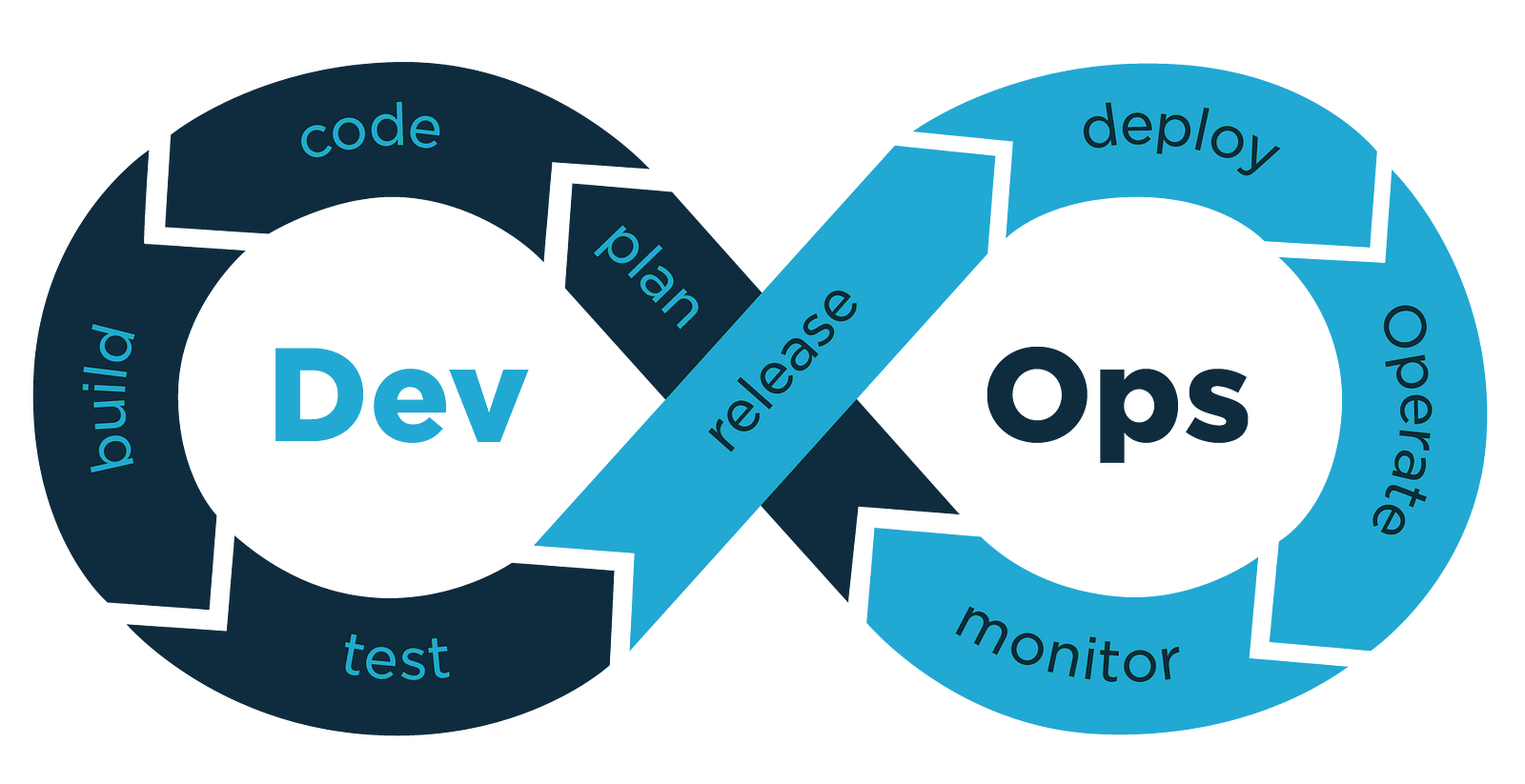
I’ve become increasingly passionate about and involved in the DevOps movement over the last several years. It’s so exciting to see all the impact DevOps is having on individuals and organizations coming from the innovation happening in the industry. However, DevOps is also such a broad (vague? confusing?) term that everyone has their own take on what it is (including me) and their own perspective on how “DevOps-y” an organization is.
“DevOps is about technology!” “No, DevOps is about process!” “No, DevOps is about people!” Well, they’re all right (although I agree most with that last person).
So what are the key aspects of DevOps?
At the first DevOpsDays conference in the U.S. in 2010, two pillars of the DevOps movement, John Willis and Damon Edwards, coined the acronym “CAMS” to describe the aspects of DevOps. “CAMS” stands for “Culture, Automation, Measurement, and Sharing”. Jez Humble, author of the ground-breaking Continuous Delivery book, later added the “L” for “Lean” to give us “CALMS”.
Let’s describe each one of the aspects of “CALMS” so we can have a clearer picture of where an organization is in its DevOps journey.
1. Culture
Peter Drucker, the famous management guru, realized how important culture was to the performance of an organization. He’s alleged to have said, “Culture eats strategy for breakfast.” More recently, Dr. Ron Westrum advocated for a “Three Cultures Model” that describes attributes and observable behaviors of a corporate culture and how it processes information. His three culture types are: Pathological (power-oriented), Bureaucratic (rule-oriented), and Generative (performance-oriented). For example, is an organization the kind of place where messengers are shot and failures are covered up (pathological)? Or are messengers trained and failures viewed as opportunities to learn (generative)? Culture has an impact on organizational performance in countless ways – for better or for worse.
2. Automation
Computers are terrific at doing the same task the same way really fast over and over again. Humans… not so much. Automating repetitive, time-consuming, error-prone tasks can yield big dividends. Have you implemented the foundational elements of continuous integration, automated testing, and automated builds? Are you ready for infrastructure-as-code and continuous delivery pipelines? You might even be adopting ChatOps. Whatever your state of automation is, the possibilities for automation to improve speed, consistency, and quality are endless.
3. Lean
We’re seeing the same Lean practices that were applied to manufacturing in the 1980’s being applied to IT now. Do we understand the end-to-end process we use to deliver value (in this case, with software) to our customers? Do we know where the inefficiencies and waste in that process are? Do we have a plan for reducing that waste? The primary Lean tool in our toolkit is value stream mapping. You’ll also hear a lot of Japanese words associated with the gold standard of lean practices: the Toyota Production System.
4. Measurement
You might have heard the expression, “You get what you measure.” We want faster feature flow into production, higher quality, and more value – so we need to track metrics associated with these outcomes and then use the information to drive feedback loops and decision-making. One of the DevOps unicorns, Etsy, takes measurement to the extreme by measuring virtually everything within their enterprise. You might not be tracking the quarter million time-series metrics like Etsy does (in 2013!), but measuring important aspects of your engineering and business operations will yield valuable insights so you can respond faster and improve more.
5. Sharing
Friction-free information improves organizational performance. The degree to which an organization shares information is directly influenced by its culture (see the first aspect). How does information flow between people, teams, functions, and levels within the organization? There are all kinds of indicators of sharing, like peer code reviews, information radiators, lunch-and-learn meetings, process ceremonies, and any number of feedback loops from one person or group to another. The more open an organization is when it comes to sharing and communication (i.e., the closer to a generative culture it has), the better it will perform.
No two organizations are the same and therefore no two organizations “do the DevOps” the same way. “CALMS” gives us a clearer way of looking at what an organization is doing, and identifying what is working and what might be opportunities for improvement. “CALMS” can be a powerful tool to accelerate an organization along its DevOps journey toward better results and helping it win in the marketplace.
Culture also shapes how an organization shares information – “sharing” being the “S” in “CALMS” and another key aspect of DevOps.
But for all its importance, we’ve had few tools and limited research to describe or quantify culture.
That is, until Dr. Ron Westrum came along and gave us his “Three Cultures Model” to describe different ways organizations process information. He shared his model and research in his paper “A typology of organizational cultures,” published in Quality & Safety in Health Care in 2004. The table below from his paper identifies the three cultures and provides attributes describing how organizations with each culture share information.

The DevOps Maturity model

LINKS
https://qualitysafety.bmj.com/content/13/suppl_2/ii22
https://www.excella.com/insights/3-types-of-culture
https://www.excella.com/insights/5-key-aspects-of-devops
Feedback and comments and debate always welcome
TimHJRogers
@TimHJRogers +447797762051
https://www.linkedin.com/in/timhjrogers/
http://www.timhjrogers.com/
TimHJRogers World Champs Rower, Commonwealth Games Triathlete, MBA (Management Consulting) Projects & Change Practitioner, TEDx & Jersey Policy Forum
We also know culture is notoriously hard to describe. If you want an eye-opening experience, just ask a group of your employees to describe your own organization’s culture and see what kind of responses you get – after the quizzical, contemplative, and downright stumped looks, of course. Even harder than describing culture is demonstrating its contribution to organizational performance.
Culture’s importance is reinforced in the DevOps movement as the “C” in “CALMS” – one of the 5 Key Aspects of DevOps Posted April 21, 2016 by Jeff Gallimore
I’ve become increasingly passionate about and involved in the DevOps movement over the last several years. It’s so exciting to see all the impact DevOps is having on individuals and organizations coming from the innovation happening in the industry. However, DevOps is also such a broad (vague? confusing?) term that everyone has their own take on what it is (including me) and their own perspective on how “DevOps-y” an organization is.
“DevOps is about technology!” “No, DevOps is about process!” “No, DevOps is about people!” Well, they’re all right (although I agree most with that last person).
So what are the key aspects of DevOps?
At the first DevOpsDays conference in the U.S. in 2010, two pillars of the DevOps movement, John Willis and Damon Edwards, coined the acronym “CAMS” to describe the aspects of DevOps. “CAMS” stands for “Culture, Automation, Measurement, and Sharing”. Jez Humble, author of the ground-breaking Continuous Delivery book, later added the “L” for “Lean” to give us “CALMS”.
Let’s describe each one of the aspects of “CALMS” so we can have a clearer picture of where an organization is in its DevOps journey.
1. Culture
Peter Drucker, the famous management guru, realized how important culture was to the performance of an organization. He’s alleged to have said, “Culture eats strategy for breakfast.” More recently, Dr. Ron Westrum advocated for a “Three Cultures Model” that describes attributes and observable behaviors of a corporate culture and how it processes information. His three culture types are: Pathological (power-oriented), Bureaucratic (rule-oriented), and Generative (performance-oriented). For example, is an organization the kind of place where messengers are shot and failures are covered up (pathological)? Or are messengers trained and failures viewed as opportunities to learn (generative)? Culture has an impact on organizational performance in countless ways – for better or for worse.
2. Automation
Computers are terrific at doing the same task the same way really fast over and over again. Humans… not so much. Automating repetitive, time-consuming, error-prone tasks can yield big dividends. Have you implemented the foundational elements of continuous integration, automated testing, and automated builds? Are you ready for infrastructure-as-code and continuous delivery pipelines? You might even be adopting ChatOps. Whatever your state of automation is, the possibilities for automation to improve speed, consistency, and quality are endless.
3. Lean
We’re seeing the same Lean practices that were applied to manufacturing in the 1980’s being applied to IT now. Do we understand the end-to-end process we use to deliver value (in this case, with software) to our customers? Do we know where the inefficiencies and waste in that process are? Do we have a plan for reducing that waste? The primary Lean tool in our toolkit is value stream mapping. You’ll also hear a lot of Japanese words associated with the gold standard of lean practices: the Toyota Production System.
4. Measurement
You might have heard the expression, “You get what you measure.” We want faster feature flow into production, higher quality, and more value – so we need to track metrics associated with these outcomes and then use the information to drive feedback loops and decision-making. One of the DevOps unicorns, Etsy, takes measurement to the extreme by measuring virtually everything within their enterprise. You might not be tracking the quarter million time-series metrics like Etsy does (in 2013!), but measuring important aspects of your engineering and business operations will yield valuable insights so you can respond faster and improve more.
5. Sharing
Friction-free information improves organizational performance. The degree to which an organization shares information is directly influenced by its culture (see the first aspect). How does information flow between people, teams, functions, and levels within the organization? There are all kinds of indicators of sharing, like peer code reviews, information radiators, lunch-and-learn meetings, process ceremonies, and any number of feedback loops from one person or group to another. The more open an organization is when it comes to sharing and communication (i.e., the closer to a generative culture it has), the better it will perform.
No two organizations are the same and therefore no two organizations “do the DevOps” the same way. “CALMS” gives us a clearer way of looking at what an organization is doing, and identifying what is working and what might be opportunities for improvement. “CALMS” can be a powerful tool to accelerate an organization along its DevOps journey toward better results and helping it win in the marketplace.
Culture also shapes how an organization shares information – “sharing” being the “S” in “CALMS” and another key aspect of DevOps.
But for all its importance, we’ve had few tools and limited research to describe or quantify culture.
That is, until Dr. Ron Westrum came along and gave us his “Three Cultures Model” to describe different ways organizations process information. He shared his model and research in his paper “A typology of organizational cultures,” published in Quality & Safety in Health Care in 2004. The table below from his paper identifies the three cultures and provides attributes describing how organizations with each culture share information.

The DevOps Maturity model

LINKS
https://qualitysafety.bmj.com/content/13/suppl_2/ii22
https://www.excella.com/insights/3-types-of-culture
https://www.excella.com/insights/5-key-aspects-of-devops
Feedback and comments and debate always welcome
TimHJRogers
@TimHJRogers +447797762051
https://www.linkedin.com/in/timhjrogers/
http://www.timhjrogers.com/
TimHJRogers World Champs Rower, Commonwealth Games Triathlete, MBA (Management Consulting) Projects & Change Practitioner, TEDx & Jersey Policy Forum
Saturday, 15 September 2018
UK Business Leaders Warned About Cybersecurity - Jersey needs to be prepared too
British business leaders need to extend their cyber security defenses beyond the threat posed by Russia to other states and criminal syndicates, one of the UK’s leading spymasters has warned.
In an interview with the Financial Times, Ciaran Martin, chief executive of the UK’s National Cyber Security Centre, which is part of the communications intelligence agency GCHQ, said that while Russia remained a serious threat to businesses, Iran and North Korea, as well as international cyber criminals, presented equal if not greater risks.
https://www.informationsecuritybuzz.com/expert-comments/uk-business-leaders/
Adapt Consulting Company has been working with TechColab and a number of other Cyber Essentials organizations to create a CE Toolkit of tools, templates, training and scripts to apply Cyber Essentials compliance to SMEs and Charity Businesses.
With the States of Jersey now suggesting Cyber Essentials is mandatory, it's a good time to get prepared.
Feedback and comments and debate always welcome
@AdaptCCompany +447797762051
http://www.adaptconsultingcompany.com/
Adapt Consulting help people and organisations get things done
@AdaptCCompany
Tuesday, 11 September 2018
Computer Emergency Response Teams
CYBER SECURITY NATIONAL CRITICAL INFRASTRUCTURE
I recently commented about Cyber Security National Critical Infrastructure in a posting titled This is the ultimate game of cops and robbers
http://timhjrogers.blogspot.com/2018/09/this-is-ultimate-game-of-cops-and.html
Following attendance at the meeting to discuss CERT [Computer Emergency Response Teams] I have the following observations.
Overall I think the meeting was a positive step in the right direction but my inclination would be to prioritise Government and National Critical Infrastructure before discussion with Visit Jersey, Association of Jersey Charities, Jersey Business, Digital Jersey etc.
I am sure all the SMEs and Voluntary Sector would welcome a government funded Computer Emergency Response Teams to co-ordinate advice, action, reporting for Jersey.
However perhaps Government and National Critical Infrastructure (Health, Ports, Electricity, Water ) should be the role models and help by setting the tools, templates and techniques that SMEs and Voluntary Sector can follow.
There is consensus that initiatives like Cyber Essentials CE is good. But also recognition that cost, understanding and expertise are a barrier to large-scale take-up of Cyber Essentials (see link below)
There is concern about States of Jersey suppliers certification requirements
1. From 2018, suppliers awarded any new government contract worth more than £25,000 will need to commit to adopting Cyber Essentials, or a higher standard, within 12 months.
2. From 2020, all suppliers in receipt of contracts valued at more than £25,000 will need to demonstrate adherence to Cyber Essentials or a higher standard.
This is likely to create more fear than compliance in the absence of funding or guidance.
It is noted in the UK that despite being years’ ahead with Cyber Essentials the take-up has been low.
It is noted that some Government departments or quangos don’t meet suppliers certification requirements and it seems premature to mandate this as a requirements without the training, tools, templates and techniques (ostensibly from CERTS) to make this happen.
However rather than challenge the wisdom of CERTS, this instead highlights how important they are and that perhaps the government’s ambition for CERT should be in-place to help facilitate and support Cyber Essentials.
COMPUTER EMERGENCY RESPONSE TEAMS
There was good discussion about the wide variety of approach and content for CERTs. It seems many people take many different approaches.
It its most basic level both CE and GDPR require planned responses to breaches and information security events and any toolkit (including one supplied by me) include all the tools, templates and techniques necessary to satisfy that requirement.
However at a macro level it doesn’t make sense for 100’s of small businesses duplicating effort that a central Computer Emergency Response Teams might do faster, cheaper, better and with considerably more expertise and co-ordination.
Take for example co-ordinating regulatory reporting for OIC, JFSC, Police, NIST etc.
Or another example, offering standardised advice and guidance on tools, templates and techniques
Or perhaps noticing patters of cause and effect that are not obvious in isolation, but can be managed better from “higher-up”
CONSCLUSION
The CERT [Computer Emergency Response Teams] initiative is a good one. But it needs to be co-ordinated with Cyber Essentials and States of Jersey suppliers certification requirements.
As always, feedback welcome – particularly form people who have experience and knowledge to contribute on CERTS and Cyber Essentials
LINKS
CERT [Computer Emergency Response Teams]
https://en.wikipedia.org/wiki/Computer_emergency_response_team
About Cyber Essentials
https://www.gov.je/StayingSafe/BeSafeOnline/ProtectYourBusinessOnline/pages/cyberessentials.aspx
Subscribe to:
Posts (Atom)